
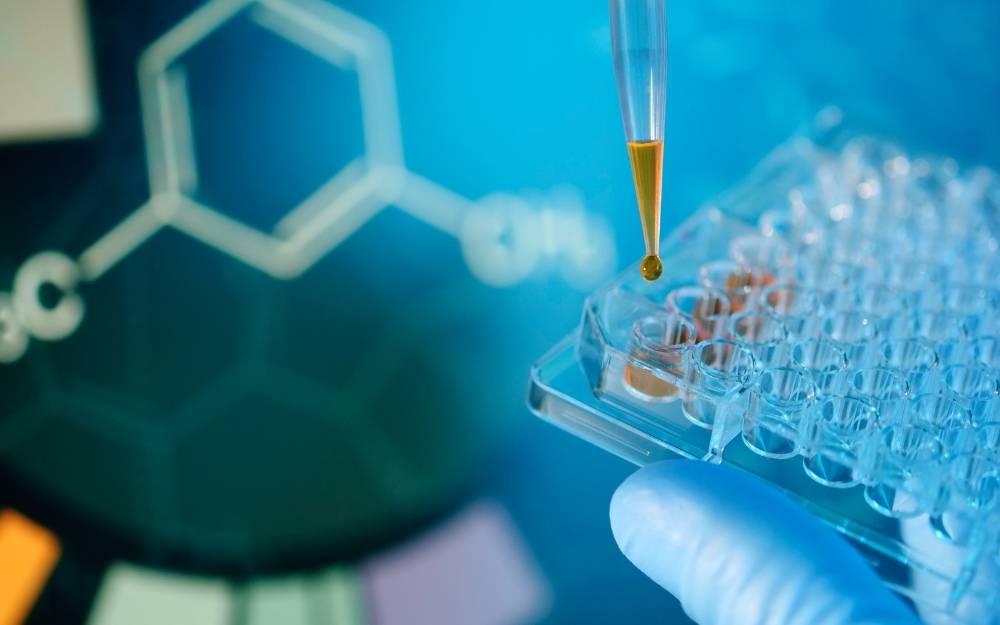
For decades, the path to bringing a new drug to market was remarkably linear and notoriously slow. It almost always started in a petri dish with in vitro experiments, moved into animal models for in vivo testing, and eventually, if lucky, progressed to human clinical trials. While this traditional pipeline has saved countless lives, it is also characterised by high failure rates and astronomical costs. Today, however, a third pillar has firmly established itself alongside the lab bench and the clinic: the computational approach. When researchers talk about an in silico model, they are referring to the sophisticated use of computer simulations to predict how biological systems will behave.
The term “in silico” was coined as a biological play on words, referencing the silicon chips that power our computers, much like “in vivo” refers to living organisms and “in vitro” to glass. It represents a fundamental shift in how we understand disease and pharmacology. Instead of relying solely on physical reactions, scientists can now build a digital representation of a human organ, a specific cell, or even a single protein. This allows them to run thousands of virtual experiments in the time it would take to set up a single physical trial.

How an in silico model actually functions in the lab
At its heart, an in silico model is a complex mathematical framework. It takes everything we know about biological pathways, chemical interactions, and physiological responses and translates them into code. By inputting data from previous clinical trials or genomic sequencing, researchers can create a simulation that mimics real-world biology with surprising accuracy. This isn’t just about simple calculations; it is about predicting the emergent behaviour of complex systems that are often too intricate for the human mind to map out manually.
When developing new therapies, the ability to test a hypothesis digitally first is invaluable. For instance, using a high-fidelity in silico model allows scientists to screen thousands of potential drug compounds to see which ones are most likely to bind to a target receptor. This process, known as virtual screening, helps eliminate thousands of ineffective candidates before a single drop of reagent is ever used in a wet lab. This doesn’t just save money; it focuses human ingenuity on the most promising leads.
The diverse applications of computational modelling
The versatility of these models means they are being applied across almost every branch of life sciences. It is no longer a niche tool for computer scientists but a core component of modern drug development. Here are some of the primary ways these models are being utilised today:
- Pharmacokinetics and Pharmacodynamics (PK/PD): Predicting how a drug travels through the body, how it is metabolised, and the specific concentration needed to be effective without being toxic.
- Cardiac Safety Testing: Simulating how a new medication might affect the electrical activity of the heart, specifically looking for risks like arrhythmia without putting human volunteers at risk.
- Disease Progression Modelling: Visualising how a chronic condition might evolve over years, allowing researchers to identify the best points in time for therapeutic intervention.
- Personalised Medicine: Creating patient-specific models based on individual genetic data to predict which treatments will work best for a specific person.
Why the industry is moving away from traditional methods
The push toward computational methods isn’t just about a love for technology; it is a response to the growing crisis of R&D productivity. The cost of developing a new drug has risen exponentially, while the number of new drugs approved per billion dollars spent has historically declined. This phenomenon has forced the industry to look for more efficient ways to innovate. An in silico model provides a way to fail fast and fail cheaply. If a drug is going to be toxic or ineffective, it is far better to find that out on a computer screen than five years into an expensive clinical trial.
Furthermore, there is a significant ethical drive behind this shift. Regulatory bodies and the public are increasingly calling for a reduction in animal testing. While we are not yet at a point where animal models can be replaced entirely, computational simulations are significantly reducing the number of animals required in early-stage research. By refining the search for viable compounds, scientists ensure that only the most likely candidates move into animal or human testing, making the entire process more ethical and streamlined.
Overcoming the hurdles of biological complexity
Despite the incredible progress, building an accurate in silico model is not without its challenges. Biology is messy, redundant, and often unpredictable. A model is only as good as the data that is fed into it. If our understanding of a particular cellular pathway is incomplete, the model will reflect those gaps. This is why the integration of “big data” and machine learning is so critical. As we gather more information from high-throughput sequencing and electronic health records, these models become increasingly refined and reliable.
Another challenge lies in the sheer scale of human physiology. Simulating a single protein interaction is one thing; simulating how that interaction affects an entire organ system over several months is another. This requires immense computational power and sophisticated algorithms that can handle multi-scale modelling. However, as cloud computing and specialised hardware become more accessible, these barriers are rapidly falling away.
The synergy between AI and computational biology
We are currently entering a new era where artificial intelligence is being integrated into the in silico model framework. Traditional models are often “mechanistic,” meaning they are built on known rules of physics and chemistry. AI adds a “data-driven” layer, allowing the computer to find patterns and correlations that humans might never have considered. This hybrid approach is particularly powerful in areas like drug repurposing, where researchers look for new uses for existing, approved medications.
By using AI-enhanced simulations, researchers can scan vast databases of drug-protein interactions to see if a drug designed for one condition might actually be effective for another. This has already led to breakthroughs in treating rare diseases and responding to emerging viral threats. The speed at which these models can be deployed makes them an essential tool for global health security, allowing for rapid response times that were previously unthinkable.
The role of the researcher is also evolving. The modern scientist needs to be as comfortable with data visualisations and algorithmic outputs as they are with pipettes and centrifuges. This interdisciplinary approach is fostering a new culture of collaboration between biologists, mathematicians, and software engineers. They are collectively working towards a future where the “digital twin” of a patient becomes a standard part of the diagnostic and treatment process. In this future, your doctor might test a dozen different combinations of medications on your virtual counterpart before ever writing you a physical prescription, ensuring the highest level of safety and efficacy from the very first dose.

Serge Guay is the man behind “great white rocks”. This is a great blog that is totally based on offering quality and latest information to the readers.