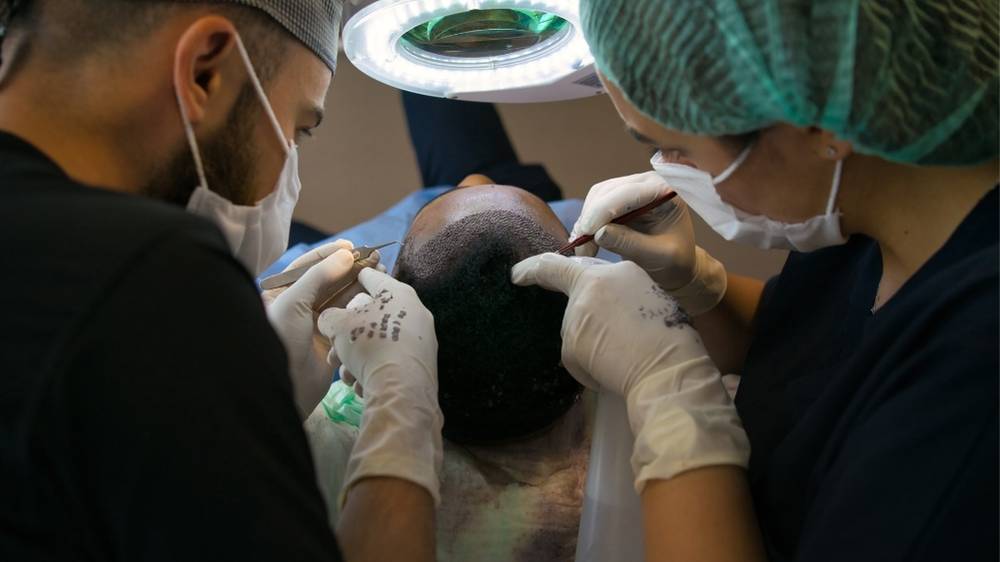
For many people, the first time they notice their hair thinning in the mirror is a moment they don’t easily forget. It is often a subtle change at first—perhaps a slightly wider parting or a hairline that seems to have retreated a few millimetres further back than it was a year ago. While some embrace the change, many others feel a significant impact on their self-confidence. This is why more people than ever are looking into permanent solutions, and specifically, why the demand for a fue hair transplant glasgow has seen such a remarkable rise in recent years.
Glasgow has long been a hub for medical excellence, and the field of hair restoration is no exception. Choosing to address hair loss is a deeply personal decision, and it is one that requires a good deal of research and understanding. It isn’t just about ‘fixing’ a problem; it is about restoring a sense of self and feeling comfortable in your own skin again. When you start exploring your options, the term FUE will inevitably come up as the gold standard for modern hair restoration.
Understanding the FUE Method and Why It Matters
FUE stands for Follicular Unit Extraction. Unlike older methods that involved removing a strip of skin from the back of the head, FUE is a much more refined and minimally invasive technique. It involves extracting individual hair follicles directly from the donor area—usually the back or sides of the head where hair is more resistant to balding—and transplanting them into the thinning or balding areas.
The beauty of this method lies in the precision. Because each follicle is handled individually, the surgeon can meticulously plan the angle, direction, and density of the new hair. This is crucial for achieving a result that looks natural and blends seamlessly with your existing hair. Some of the key benefits that make this technique so popular include:
- No linear scarring, which allows patients to keep their hair short if they choose.
- A faster recovery time compared to traditional strip surgery.
- Minimal discomfort during and after the procedure.
- Highly natural-looking results that grow for a lifetime.
When you look for a fue hair transplant glasgow, you are looking for a procedure that combines medical science with an artistic eye. The goal is to ensure that once the hair grows back, no one can tell that you have had any work done at all.
What Happens During a Professional Consultation?
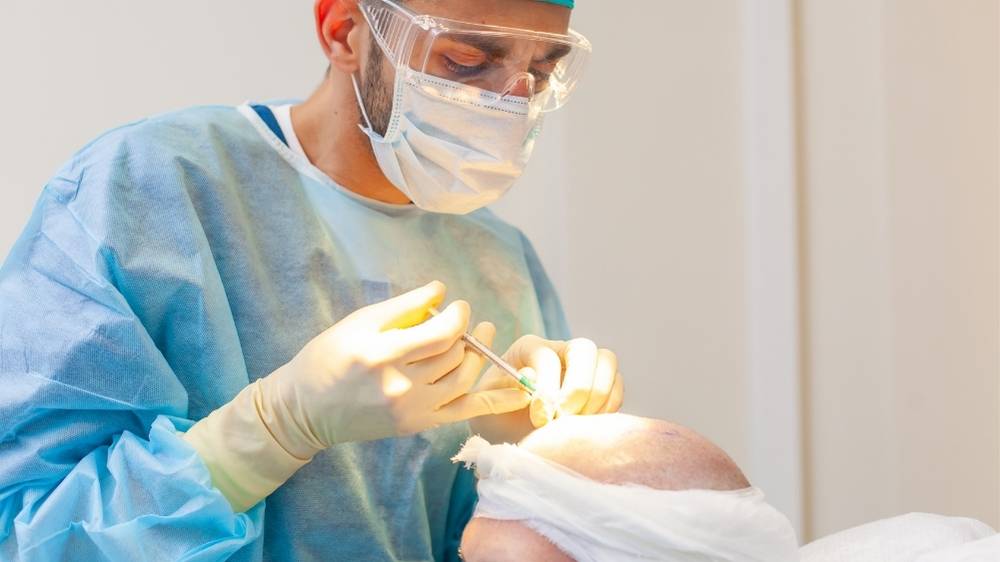
Before any surgical work begins, the most important step is the initial consultation. This is where your unique hair loss pattern is analysed, and a bespoke plan is created. Every scalp is different, and what works for one person might not be the best approach for another. A reputable surgeon in Glasgow will take the time to discuss your medical history, your expectations, and the long-term stability of your donor hair.
During this meeting, you should expect a thorough examination of your scalp using specialised tools. The surgeon will look at the density of your donor hair and the quality of the follicles. They will also talk to you about the realistic outcomes. It is vital to have an honest conversation about what can be achieved; a good surgeon will always prioritise long-term hair health over a quick, temporary fix.
The Importance of a Personalised Design
A significant part of the consultation is the hairline design. This is where the ‘art’ of the transplant comes into play. A hairline that is too straight or too low can look artificial as you age. A skilled surgeon will design a hairline that suits your facial structure and accounts for future hair loss. They will often draw the proposed hairline on your scalp so you can see exactly where the new hair will be placed, allowing for adjustments and feedback before the day of the procedure.
The Day of the Procedure: What to Expect
Many patients feel a bit nervous on the day of their surgery, which is completely natural. However, the process is designed to be as comfortable as possible. Most FUE transplants are performed under local anaesthetic, meaning you are awake and can chat with the medical team, listen to music, or even watch a film while they work.
The day is typically broken down into several stages:
- Preparation: The donor and recipient areas are marked out and the hair is usually trimmed to the required length for extraction.
- Extraction: The surgeon uses a micro-punch tool to carefully remove the individual follicular units. This requires immense focus and precision.
- Site Creation: Tiny incisions are made in the recipient area. This is where the surgeon determines the density and direction of the growth.
- Implantation: The harvested follicles are carefully placed into the prepared sites.
Depending on the number of grafts required, the procedure can take anywhere from a few hours to a full day. Throughout the process, the team ensures you are comfortable and takes regular breaks. By the time you leave the clinic, you will have a clear set of aftercare instructions to follow.
The Journey to Recovery and Final Results
One of the most common questions people ask is how long it takes to see the results. It is important to remember that hair growth is a slow, natural process. In the first few days after your procedure, you may experience some minor swelling or redness, but this usually subsides quickly. Small crusts will form around the transplanted grafts, which typically fall off within a week or two.
Around three to four weeks after the transplant, you might notice the newly transplanted hair starting to shed. This is a completely normal part of the process known as ‘shock loss.’ The follicles remain healthy and dormant under the skin, preparing to grow new, permanent hair. You will start to see the first signs of new growth around the three to four-month mark. The full results are usually visible between 12 and 18 months after the procedure, as the hair continues to thicken and mature.
Essential Aftercare Tips
Following the aftercare programme provided by your clinic is the best way to ensure the success of your transplant. This often includes:
- Avoiding strenuous exercise for the first couple of weeks to prevent pressure on the scalp.
- Sleeping with your head slightly elevated for the first few nights.
- Being extremely gentle when washing your hair in the initial days.
- Protecting your scalp from direct sunlight and harsh weather.

Choosing the Right Surgeon in Glasgow
The success of a hair transplant depends almost entirely on the skill and experience of the surgeon performing it. When you are looking for a clinic in Glasgow, it is essential to look beyond the price tag. You are looking for someone who is registered with the General Medical Council (GMC) and who specialises specifically in hair restoration.
Take the time to look at ‘before and after’ photos of previous patients to get a sense of the surgeon’s aesthetic style. Read reviews and, if possible, speak to former patients about their experience. A high-quality clinic will be transparent about their processes, their success rates, and the qualifications of their staff. They should make you feel supported from the very first phone call through to your final follow-up appointment.
Serge Guay is the man behind “great white rocks”. This is a great blog that is totally based on offering quality and latest information to the readers.